We're educators and bloggers focused on the topics of raising pet/backyard ducks, no-dig organic gardening & rare edible plants, foraging, wild recipes, and related topics. Subscribe and join thousands of newsletter readers every week!
Fig season is here! 4 ways to use the harvest...
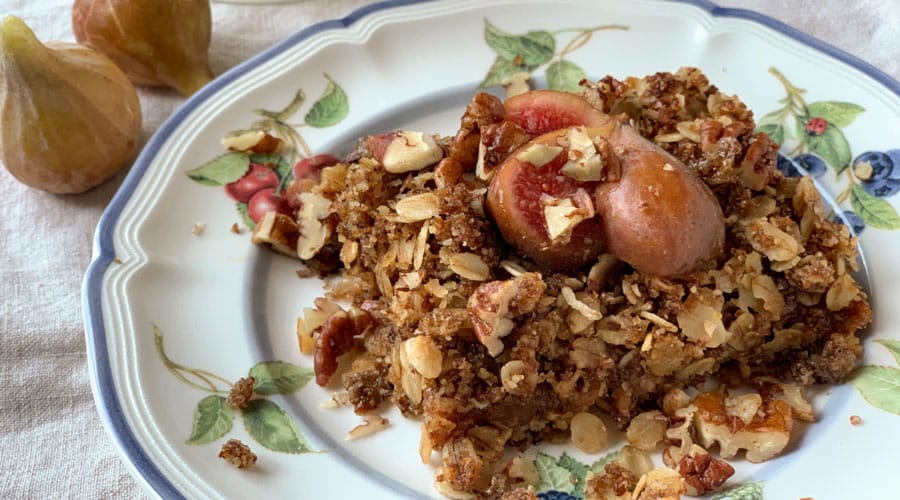
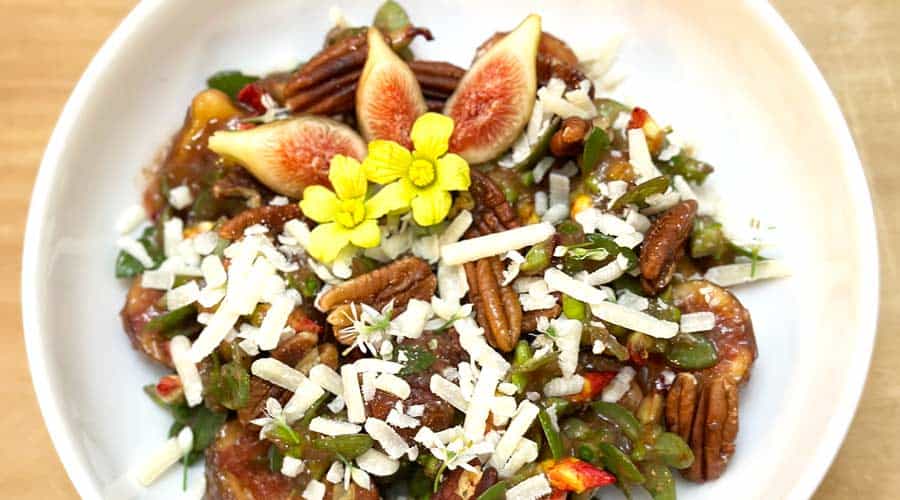
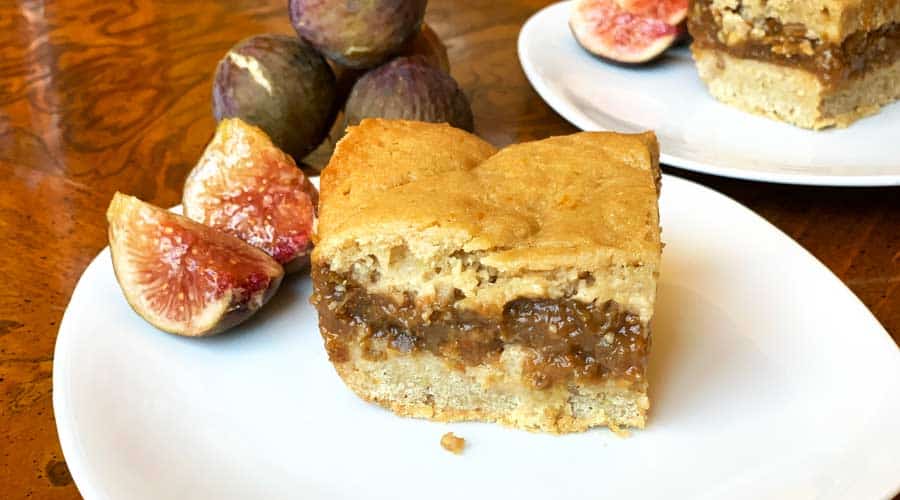
When our fig trees start producing, they do not believe in moderation.Fortunately, ripe figs can move in almost any direction—into a soft whole-wheat cookie, a flourless crumble, a savory garden salad, or a dessert that lands somewhere between a cobbler and a Fig Newton. 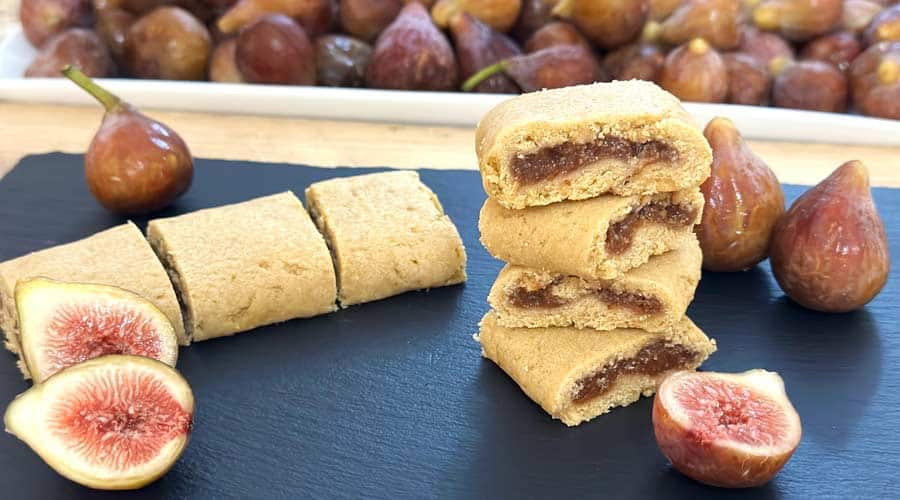
Whole-wheat Fig Newtons from scratchThese homemade Newtons use 100% whole-wheat pastry flour and can be filled with fresh or dried figs. The overnight steaming step is the secret to their soft, familiar texture. Three more ways to use fresh figs
Happy fig season, Aaron & Susan
Affiliate disclosure: As an Amazon Associate, Tyrant Farms may earn from qualifying purchases made through the product link above, at no additional cost to you. |
Tyrant Farms
We're educators and bloggers focused on the topics of raising pet/backyard ducks, no-dig organic gardening & rare edible plants, foraging, wild recipes, and related topics. Subscribe and join thousands of newsletter readers every week!
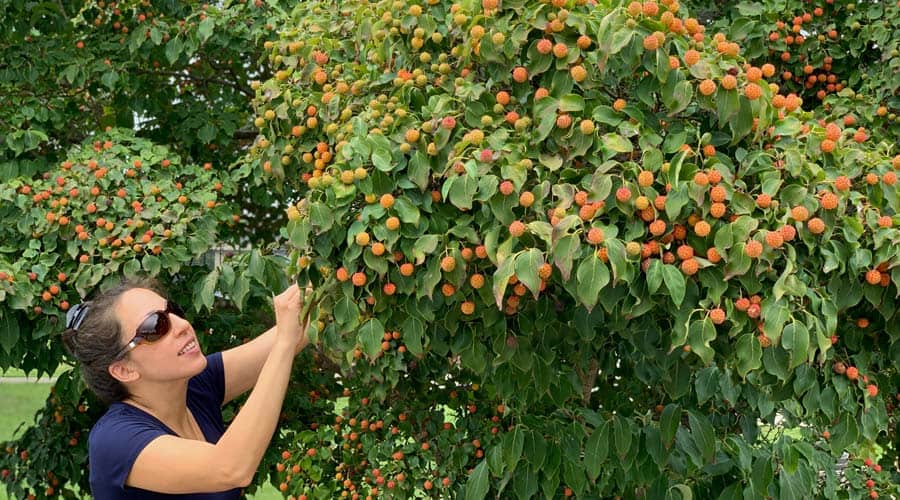
Late summer hides one of its strangest fruits in plain sight. Those bumpy orange-red fruits on landscape Kousa dogwoods can be delicious—but only after you have positively identified the tree and learned what ripe fruit looks and feels like. How to identify, harvest, and eat Kousa dogwood fruit In our Greenville, South Carolina area, the fruit typically begins ripening in late August. Ripe fruit is orange-red, slightly soft rather than squishy, and releases easily from the tree—or falls on...
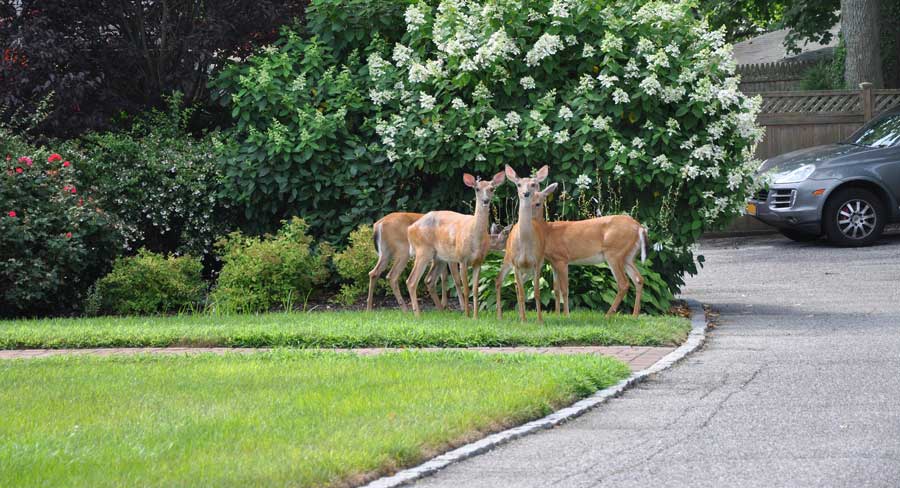
If deer have discovered your garden, a single night can undo weeks of work. An adult deer can eat more than a dozen pounds of plant material a day. Add a few hungry friends, and your garden soon becomes an all-the-deer-can-eat buffet. Dad’s simple trick for keeping deer out After sprays, dog hair, and other deterrents failed, my dad tried something almost invisible: 15–30 pound test fishing line strung between 48-inch stakes around the plants he wanted to protect. The line sits about 3 feet...
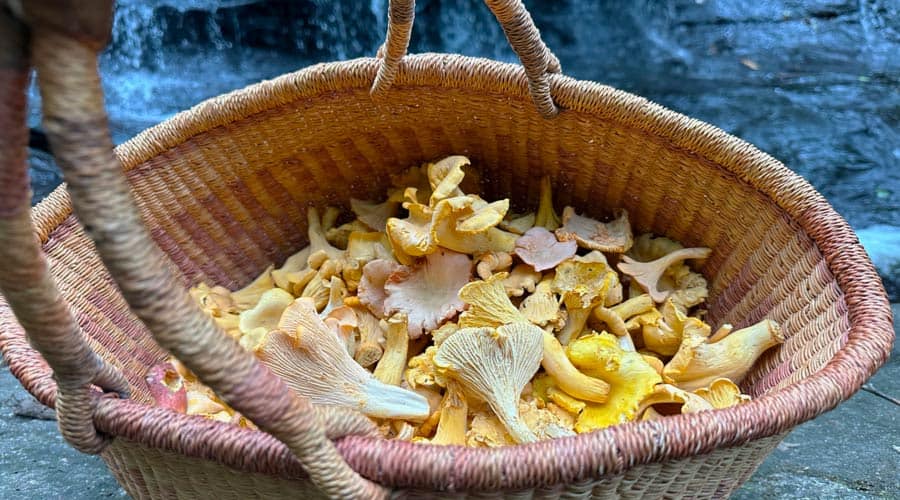
Summer rain can turn an old hardwood forest into a chanterelle treasure hunt. But safely foraging wild mushrooms requires an abundance of education and precautions. Before anything goes into your basket—or your kitchen—you need to know the habitat, the identifying features, and the dangerous lookalikes. That’s because there are plenty of wild mushrooms that can make you sick or worse, and some of those poisonous mushrooms look similar to choice edible mushrooms. How to find and positively...