We're educators and bloggers focused on the topics of raising pet/backyard ducks, no-dig organic gardening & rare edible plants, foraging, wild recipes, and related topics. Subscribe and join thousands of newsletter readers every week!
Roselle hibiscus is ready—here’s how to harvest and use it
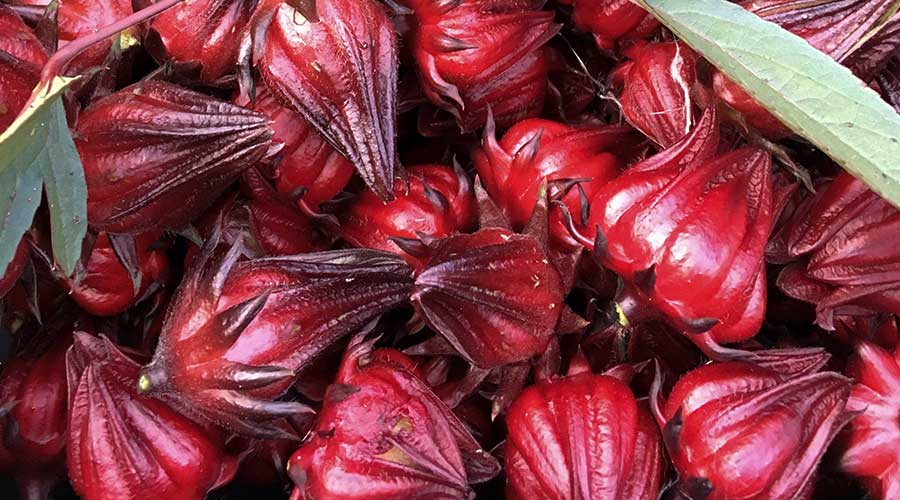
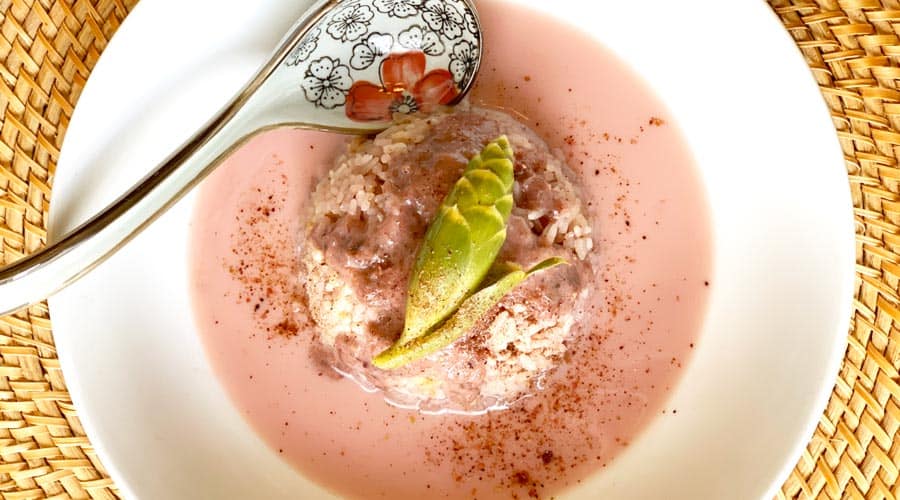
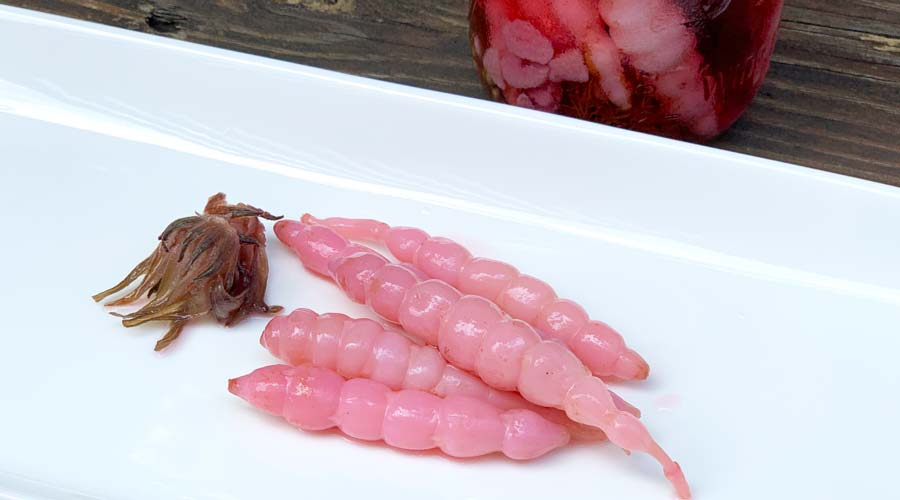
Roselle hibiscus doesn’t look like a typical fruit crop.After each flower fades, the plant begins building a crisp, tart calyx around its seed pod. That calyx is the part used for ruby-red tea, relish, desserts, pickles, and more.
Process and use the harvestCut through the base of the calyx to release the internal seed pod. Use fresh calyxes promptly, refrigerate them for short-term storage, or dry them for later. Leave selected pods on the plant longer if you are saving mature seed.
Happy hibiscus harvest, Aaron & Susan |
Tyrant Farms
We're educators and bloggers focused on the topics of raising pet/backyard ducks, no-dig organic gardening & rare edible plants, foraging, wild recipes, and related topics. Subscribe and join thousands of newsletter readers every week!
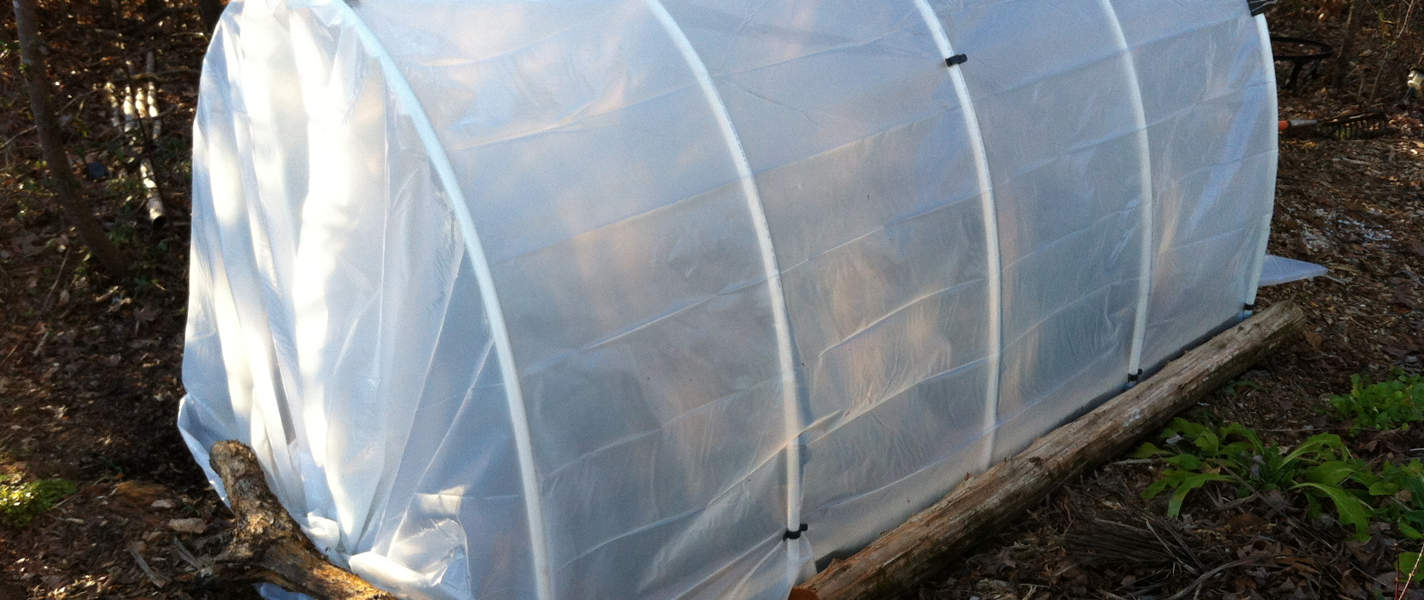
Cooler nights do not have to end the garden. A simple protective structure can give fall crops a warmer, more stable place to keep growing without the cost or permanence of a full greenhouse. Build an affordable mini-greenhouse or tall hoophouse Our step-by-step guide shows how to build a tall, walk-in protective structure using readily available materials. It is designed to be affordable, adaptable, and useful for shielding crops as temperatures drop. Build the mini-greenhouse BEFORE YOU...
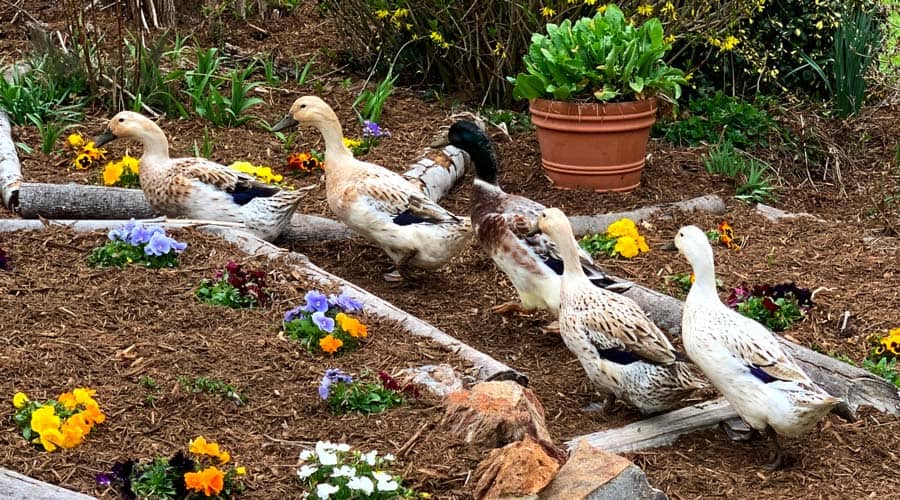
Have you ever watched a duck suddenly tilt her head toward the sky and wondered what she sees that you do not? Quite a lot, as it turns out. Nine amazing duck eyesight facts Ducks have a 360-degree horizontal field of vision and can see distant objects more clearly than humans. They can focus underwater, detect subtle motion, perceive ultraviolet light, and protect their eyes with a translucent third eyelid. Their side-set eyes trade some depth perception for a much wider view—useful when you...
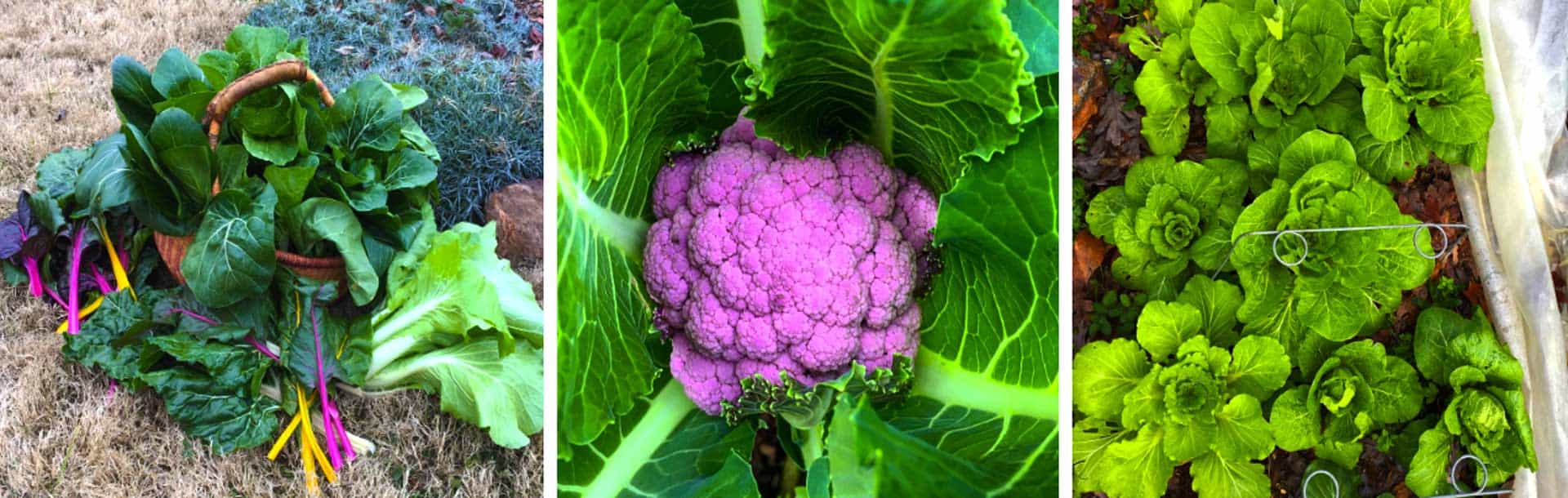
By mid-September, some summer plants are still producing while others are clearly finished. That in-between stage is the perfect time to decide what stays, what goes, and where the next round of food will grow. Five ways to grow a fall and winter garden You do not need a large traditional garden. Our guide compares five practical approaches—from in-ground beds to containers and protected growing spaces—so you can match the method to your climate, property, and available time. Choose your fall...