We're educators and bloggers focused on the topics of raising pet/backyard ducks, no-dig organic gardening & rare edible plants, foraging, wild recipes, and related topics. Subscribe and join thousands of newsletter readers every week!
Want to raise monarchs? Start here!
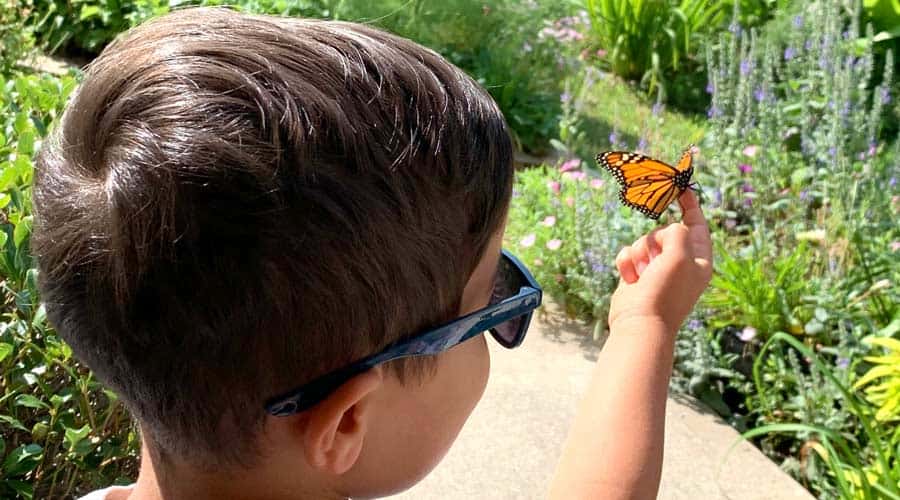
Seeing a monarch caterpillar can make anyone want to help.Before bringing one indoors, it is worth pausing: the most useful thing most of us can do for monarchs is create safe outdoor habitat. Captive raising can be meaningful as a small, hands-on learning experience, but it is not automatically a conservation win.
A few important guardrails
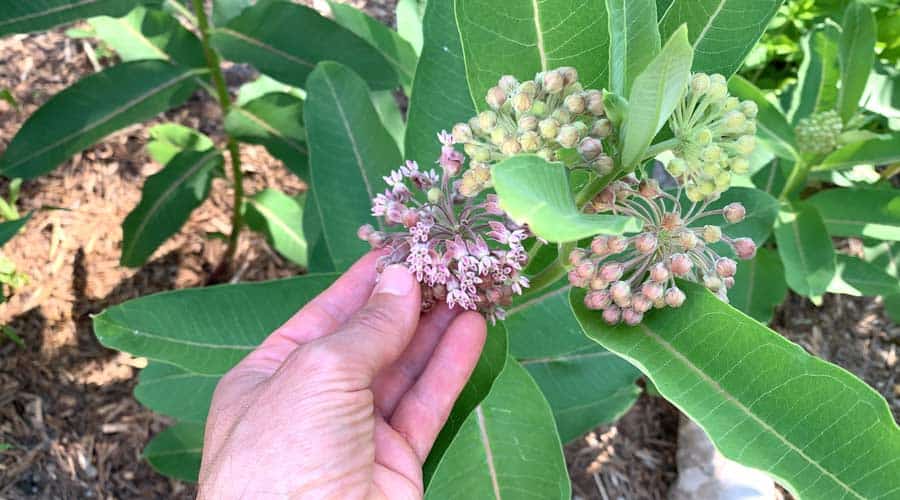
Here’s to more native milkweed and monarchs, Aaron & Susan |
Tyrant Farms
We're educators and bloggers focused on the topics of raising pet/backyard ducks, no-dig organic gardening & rare edible plants, foraging, wild recipes, and related topics. Subscribe and join thousands of newsletter readers every week!
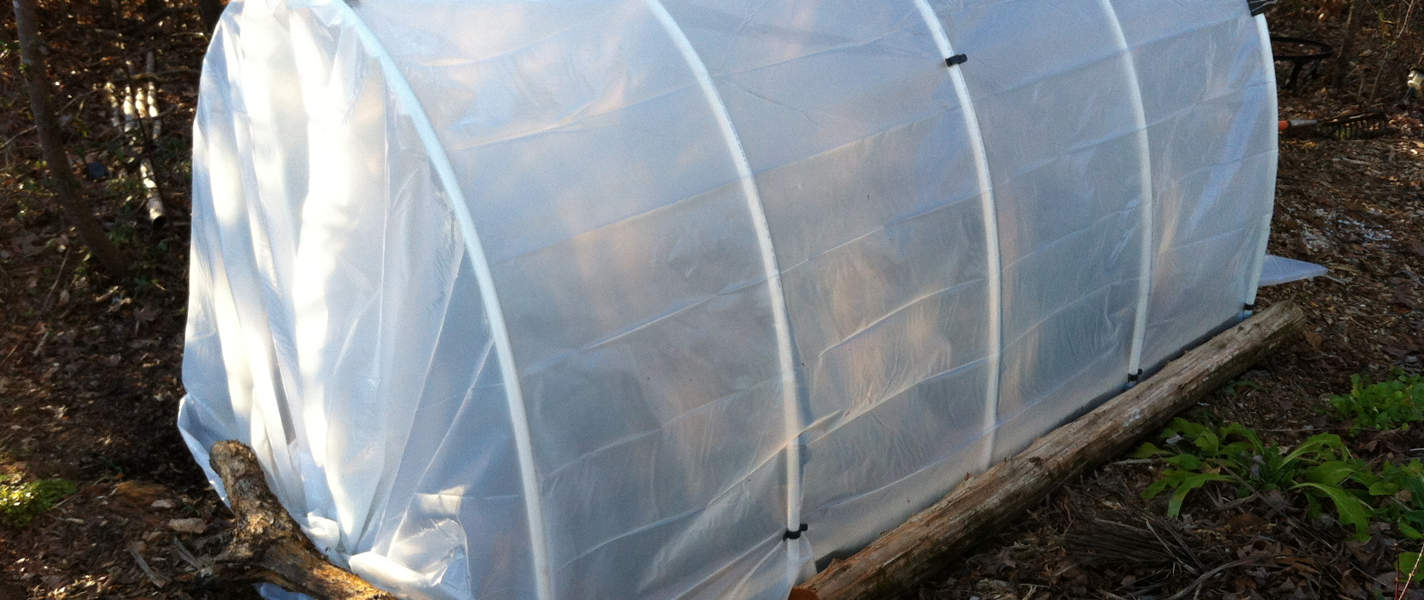
Cooler nights do not have to end the garden. A simple protective structure can give fall crops a warmer, more stable place to keep growing without the cost or permanence of a full greenhouse. Build an affordable mini-greenhouse or tall hoophouse Our step-by-step guide shows how to build a tall, walk-in protective structure using readily available materials. It is designed to be affordable, adaptable, and useful for shielding crops as temperatures drop. Build the mini-greenhouse BEFORE YOU...
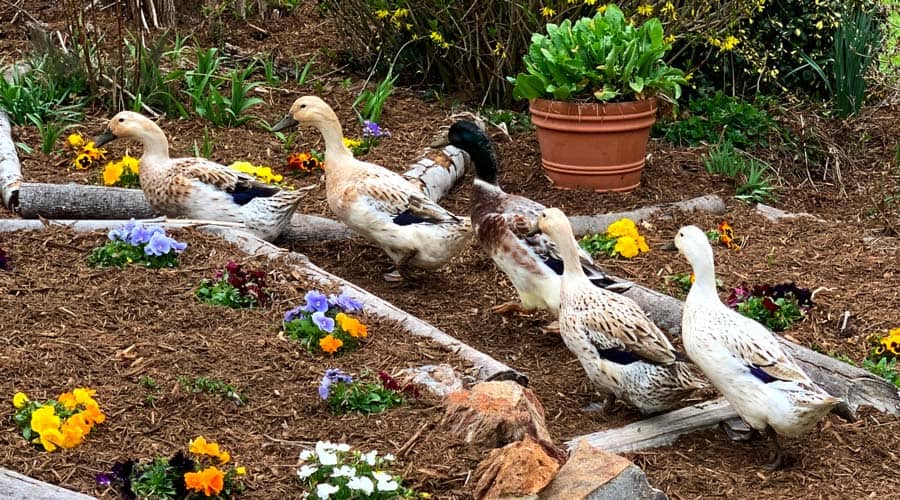
Have you ever watched a duck suddenly tilt her head toward the sky and wondered what she sees that you do not? Quite a lot, as it turns out. Nine amazing duck eyesight facts Ducks have a 360-degree horizontal field of vision and can see distant objects more clearly than humans. They can focus underwater, detect subtle motion, perceive ultraviolet light, and protect their eyes with a translucent third eyelid. Their side-set eyes trade some depth perception for a much wider view—useful when you...
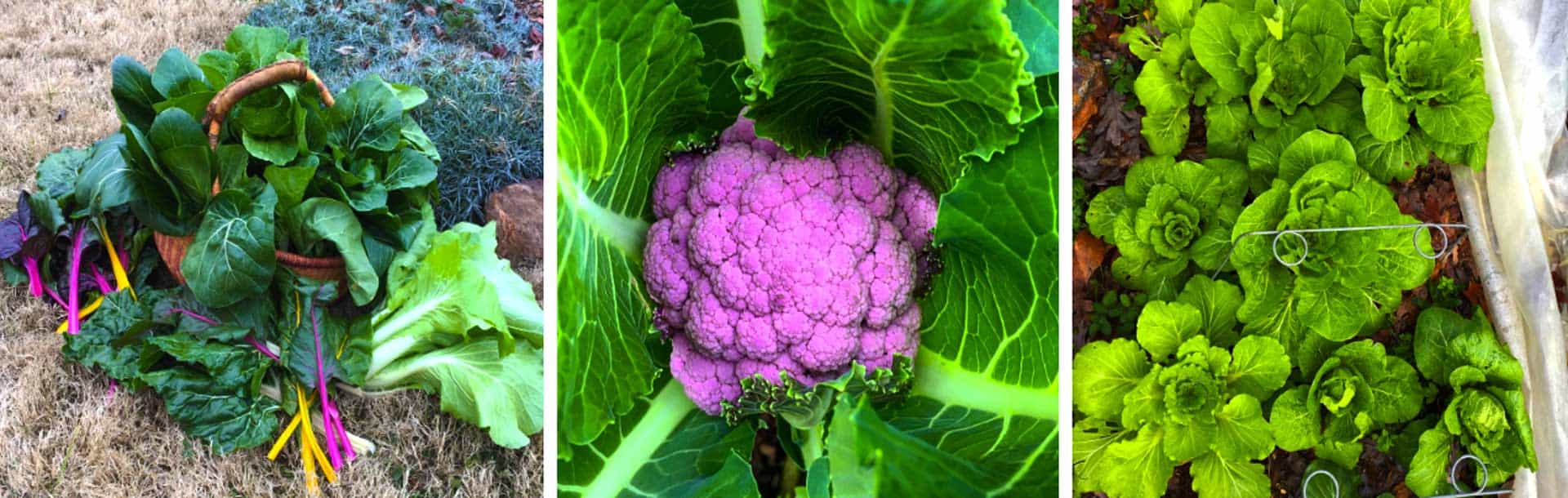
By mid-September, some summer plants are still producing while others are clearly finished. That in-between stage is the perfect time to decide what stays, what goes, and where the next round of food will grow. Five ways to grow a fall and winter garden You do not need a large traditional garden. Our guide compares five practical approaches—from in-ground beds to containers and protected growing spaces—so you can match the method to your climate, property, and available time. Choose your fall...