We're educators and bloggers focused on the topics of raising pet/backyard ducks, no-dig organic gardening & rare edible plants, foraging, wild recipes, and related topics. Subscribe and join thousands of newsletter readers every week!
American vs. Asian persimmons: know what you found
 A ripe persimmon can taste like fruity caramel. An unripe astringent persimmon can make your mouth feel as though it has turned inside out. The difference starts with knowing which persimmon you have and what fully ripe looks like for that tree. American vs. asian persimmonsWild American persimmons are native to much of the eastern United States. The fruits are small and reach their best flavor when extremely soft. Timing varies by tree, and some lose their astringency before frost while others do not. Japanese or Asian persimmons are much larger. Non-astringent types such as Fuyu can be eaten while still firm once fully colored. Astringent types must soften fully before eating. Compare American and Asian persimmons Harvest with careOnly gather fruit where you have permission. Learn the trees in your area and return to proven trees when the fruit is ripe. Soft fallen American persimmons are often at peak flavor, but skip fruit that is spoiled or dirty.  Make persimmon oatmeal barsThis breakfast and trail-snack recipe works with American or Asian persimmons as long as the fruit is fully ripe and non-puckery. The recipe uses 1 egg.  Store asian persimmonsIf you have a large harvest, our storage & use guide covers room-temperature, refrigerator, and freezer methods, plus recipes suited to each stage. Happy Halloween and happy foraging, Aaron & Susan
Affiliate disclosure: As an Amazon Associate, Tyrant Farms may earn from qualifying purchases made through the product links above, at no additional cost to you. Want to change which Tyrant Farms topics you receive? Update your topic preferences. |
Tyrant Farms
We're educators and bloggers focused on the topics of raising pet/backyard ducks, no-dig organic gardening & rare edible plants, foraging, wild recipes, and related topics. Subscribe and join thousands of newsletter readers every week!

A duck egg is not simply a larger chicken egg. The differences in size, yolk, white, and flavor can affect everything from breakfast to baking. Duck eggs vs. chicken eggs An average duck egg is about half an ounce larger than an average large chicken egg. Duck eggs also tend to have larger yolks and a slightly higher yolk-to-white ratio, which contributes to their richer flavor and texture. See the full duck egg comparison Cooking with duck eggs For omelets, puddings, ice cream, and many...
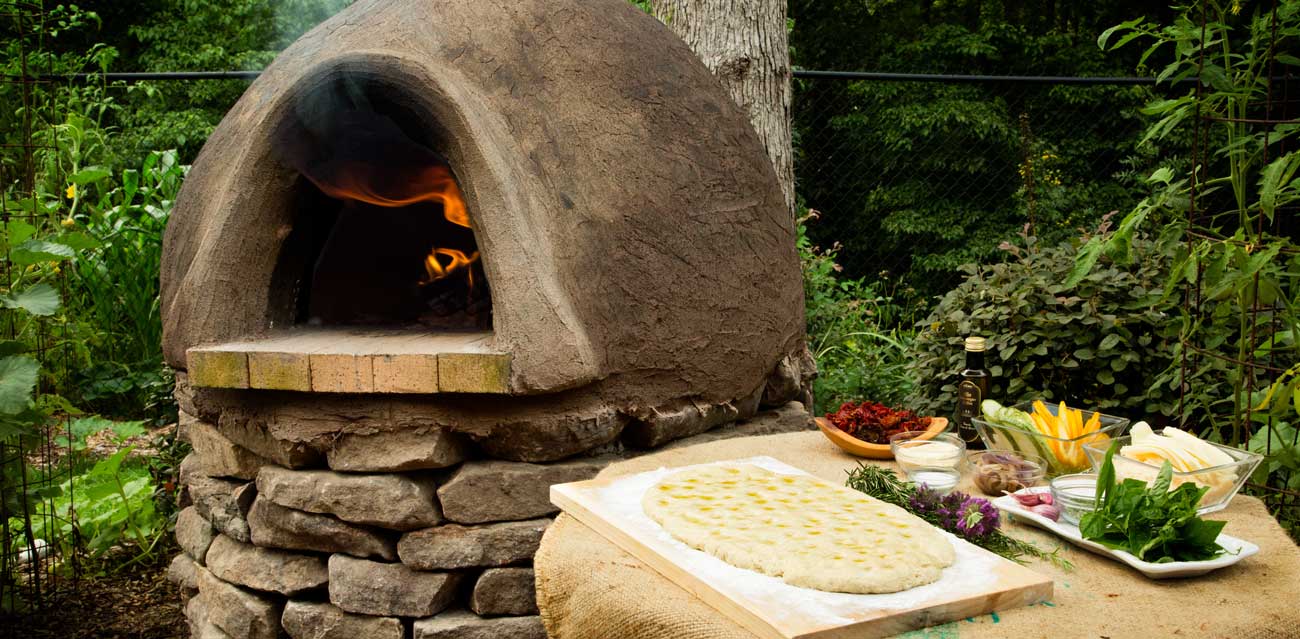
A wood-fired cob oven can turn a quiet corner of the backyard into a place where people gather. It is also a real building project, so understanding the full sequence before starting will save time and frustration. Build a wood-fired cob oven Cob is a mixture of clay-rich soil, sand, and natural fiber. Our complete guide walks through choosing a location, building a stable foundation, adding insulation, shaping the oven, and allowing it to dry. Read the cob oven building guide Plan before you...
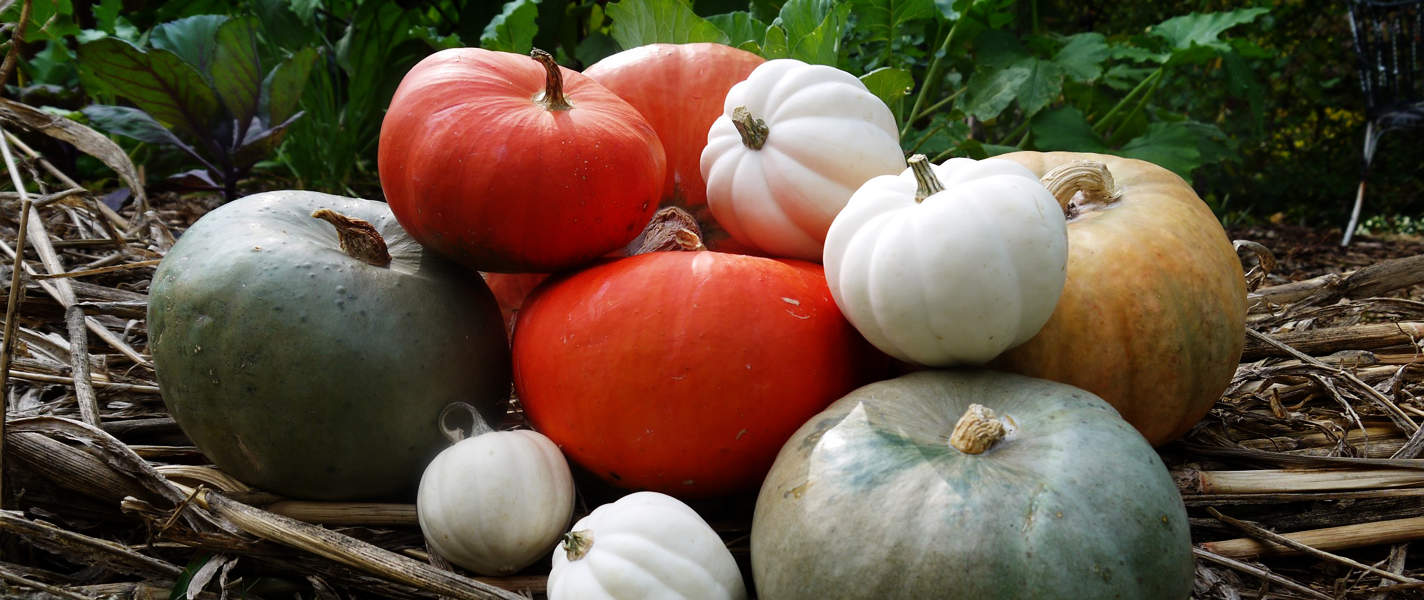
Your Halloween pumpkin is more than a temporary porch decoration. Pumpkin flesh and seeds are edible, and gardeners can also use the plant’s flowers and young leaves. The incredible edible pumpkin Pumpkins are winter squash native to the Americas. Different varieties vary widely in flavor and texture, but many can become soups, breads, pancakes, chili, desserts, and other fall foods. Learn the history and food potential of pumpkins Process the flesh Cut the pumpkin into manageable pieces and...