We're educators and bloggers focused on the topics of raising pet/backyard ducks, no-dig organic gardening & rare edible plants, foraging, wild recipes, and related topics. Subscribe and join thousands of newsletter readers every week!
Do not throw away your Halloween pumpkin
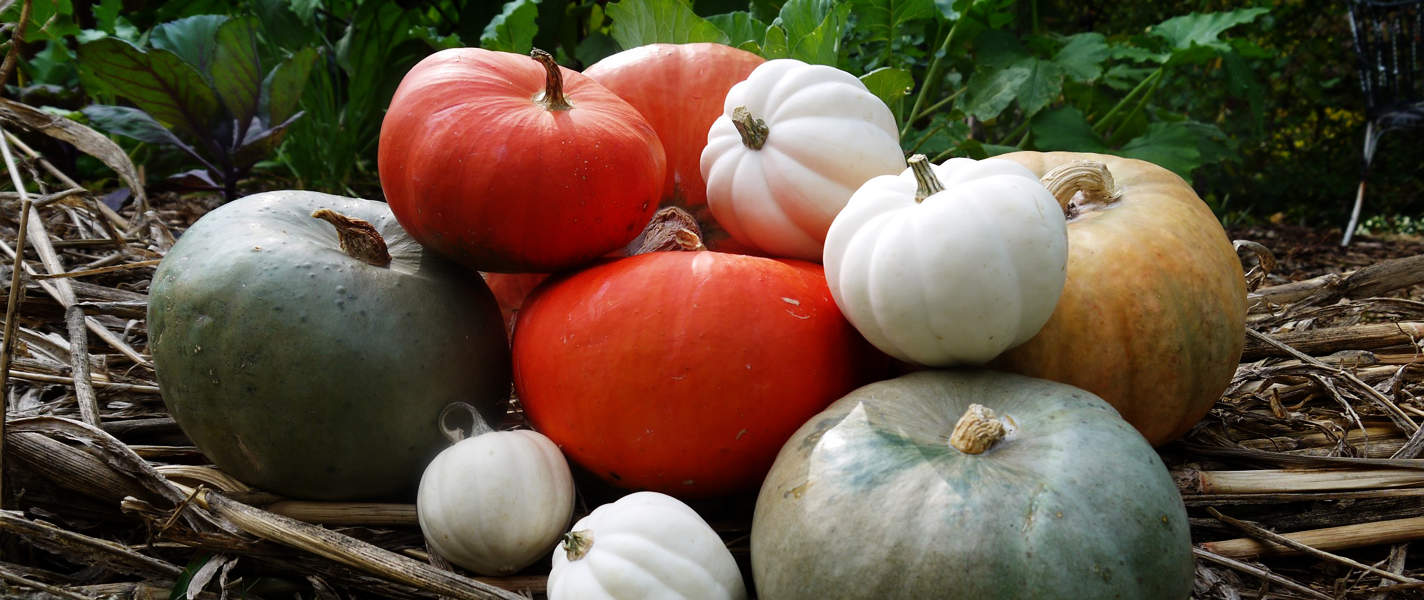 Your Halloween pumpkin is more than a temporary porch decoration. Pumpkin flesh and seeds are edible, and gardeners can also use the plant’s flowers and young leaves. The incredible edible pumpkinPumpkins are winter squash native to the Americas. Different varieties vary widely in flavor and texture, but many can become soups, breads, pancakes, chili, desserts, and other fall foods. Learn the history and food potential of pumpkins  Process the fleshCut the pumpkin into manageable pieces and bake them skin side up until the flesh is soft enough to pierce easily with a fork. Let the pieces cool, scoop out the flesh, and blend it into smooth puree. Use the puree immediately or freeze it in recipe-sized portions. Save the seedsAny pumpkin seed can be eaten. Toss cleaned seeds with olive oil and salt, spread them in one layer, and roast until golden, stirring frequently.  Two ways to use the pureeA batch of puree can become pumpkin chili for dinner or whole wheat spiced pancakes for breakfast. Here’s to eating the decorations, Aaron & Susan
Affiliate disclosure: As an Amazon Associate, Tyrant Farms may earn from qualifying purchases made through the product links above, at no additional cost to you. Want to change which Tyrant Farms topics you receive? Update your topic preferences. |

Tyrant Farms
We're educators and bloggers focused on the topics of raising pet/backyard ducks, no-dig organic gardening & rare edible plants, foraging, wild recipes, and related topics. Subscribe and join thousands of newsletter readers every week!

A duck egg is not simply a larger chicken egg. The differences in size, yolk, white, and flavor can affect everything from breakfast to baking. Duck eggs vs. chicken eggs An average duck egg is about half an ounce larger than an average large chicken egg. Duck eggs also tend to have larger yolks and a slightly higher yolk-to-white ratio, which contributes to their richer flavor and texture. See the full duck egg comparison Cooking with duck eggs For omelets, puddings, ice cream, and many...
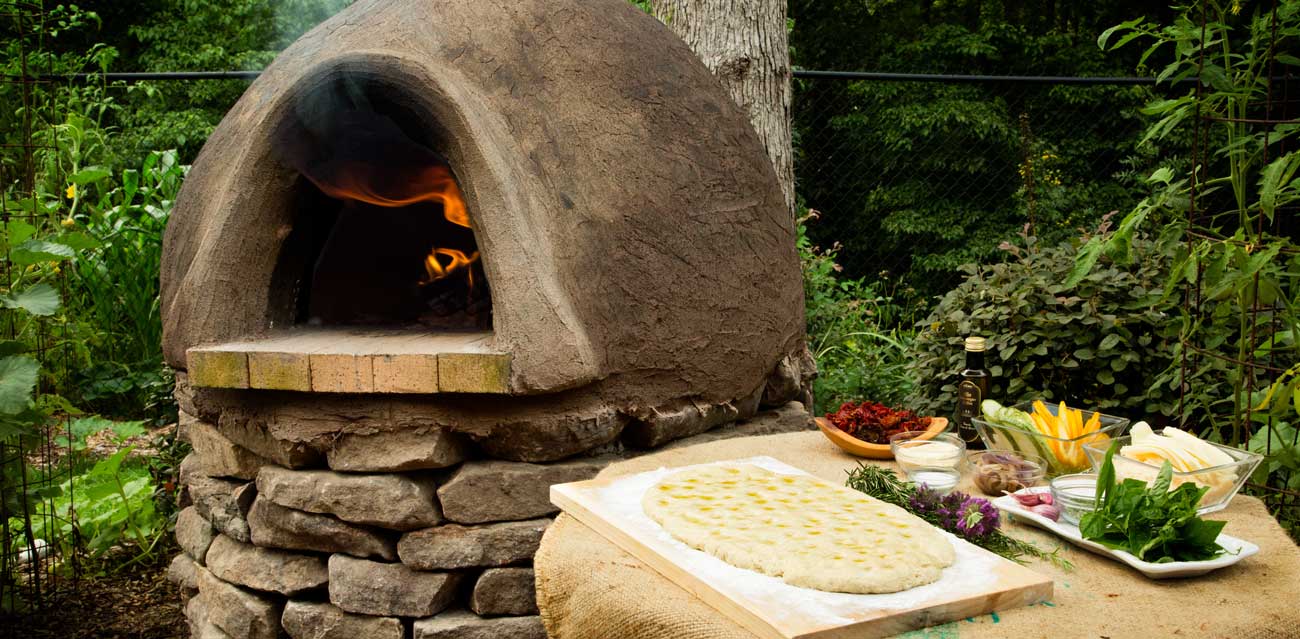
A wood-fired cob oven can turn a quiet corner of the backyard into a place where people gather. It is also a real building project, so understanding the full sequence before starting will save time and frustration. Build a wood-fired cob oven Cob is a mixture of clay-rich soil, sand, and natural fiber. Our complete guide walks through choosing a location, building a stable foundation, adding insulation, shaping the oven, and allowing it to dry. Read the cob oven building guide Plan before you...

A ripe persimmon can taste like fruity caramel. An unripe astringent persimmon can make your mouth feel as though it has turned inside out. The difference starts with knowing which persimmon you have and what fully ripe looks like for that tree. American vs. asian persimmons Wild American persimmons are native to much of the eastern United States. The fruits are small and reach their best flavor when extremely soft. Timing varies by tree, and some lose their astringency before frost while...