We're educators and bloggers focused on the topics of raising pet/backyard ducks, no-dig organic gardening & rare edible plants, foraging, wild recipes, and related topics. Subscribe and join thousands of newsletter readers every week!
Chestnuts are ripe: how to grow, harvest, and eat

Chestnuts are falling now in the Southeast, which makes this the right time to think about the entire process: growing the trees, gathering the nuts, and turning the harvest into food.
Grow and harvest chestnuts
Chestnuts need sun, well-drained soil, and enough room for mature trees. You will also need at least two compatible trees close enough for cross-pollination.
In warmer southern climates, fall is an excellent planting window. If you already have productive trees, gather fallen nuts every 1-2 days before wildlife finds them and to help break the lifecycle of chestnut weevils. Wear thick gloves for the spiny burs. Use one bucket for nuts and another for burs.
Read the complete chestnut growing and harvesting guide

Protect the harvest
Fresh chestnuts can harbor weevil larvae. Our guide explains how prompt collection and proper post-harvest handling can reduce losses without treating the trees with broad-spectrum pesticides.
Keep weevils out of your chestnut harvest
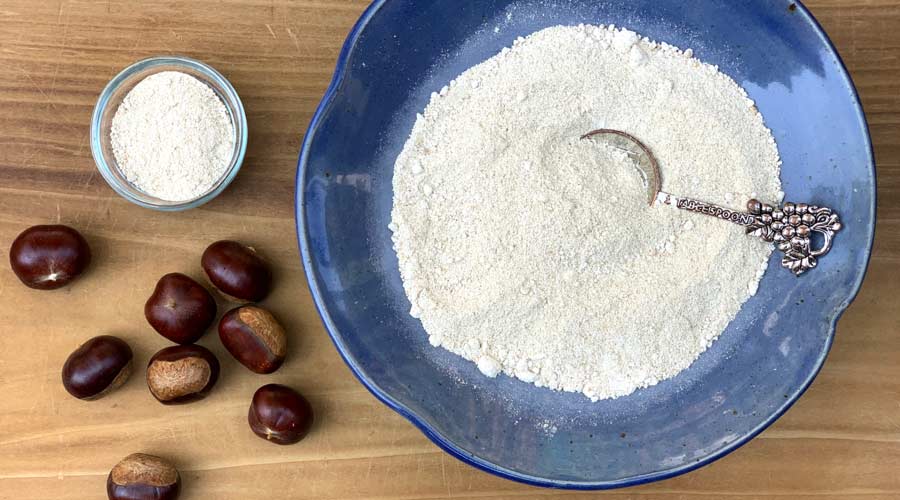
Make your own chestnut flour
After cooking and peeling the nuts, you can pulverize and dry them into a naturally sweet, gluten-free flour. It works well in cakes, crepes, porridge, pie crusts, and other recipes, but it cannot replace wheat flour one-for-one because it contains no gluten.

Easiest first recipe
Not ready to make flour? Score fresh chestnuts, roast them in a cast iron pan, and serve them warm.
Roast chestnuts on the stovetop
More chestnut recipes you'll love
Chestnut breakfast porridge with pan-roasted Japanese persimmons
Chestnut flour cake with persimmons and buttermilk
Chestnut flour crepes with beautyberry whipped cream
Chestnut and shiitake mushroom soup
One-pot roasted chicken with chestnuts and crabapples
Chestnut spread infused with spruce needles
American persimmon pie with chestnut flour crust and maple whipped cream
Here’s to putting trees to work in the kitchen, Aaron & Susan
|
Recommended tool Turn dried chestnuts into flourFor the finest texture, the chestnut flour guide recommends using a grain mill if one is available or fits your budget. See the KitchenAid grain mill |
|
Recommended tool Dry chestnut flour thoroughlyA dehydrator helps remove moisture before the flour is stored, reducing the chance of spoilage. See the Excalibur dehydrator |
Affiliate disclosure: As an Amazon Associate, Tyrant Farms may earn from qualifying purchases made through the product links above, at no additional cost to you.
Want to change which Tyrant Farms topics you receive? Update your topic preferences.
Tyrant Farms
We're educators and bloggers focused on the topics of raising pet/backyard ducks, no-dig organic gardening & rare edible plants, foraging, wild recipes, and related topics. Subscribe and join thousands of newsletter readers every week!

A duck egg is not simply a larger chicken egg. The differences in size, yolk, white, and flavor can affect everything from breakfast to baking. Duck eggs vs. chicken eggs An average duck egg is about half an ounce larger than an average large chicken egg. Duck eggs also tend to have larger yolks and a slightly higher yolk-to-white ratio, which contributes to their richer flavor and texture. See the full duck egg comparison Cooking with duck eggs For omelets, puddings, ice cream, and many...
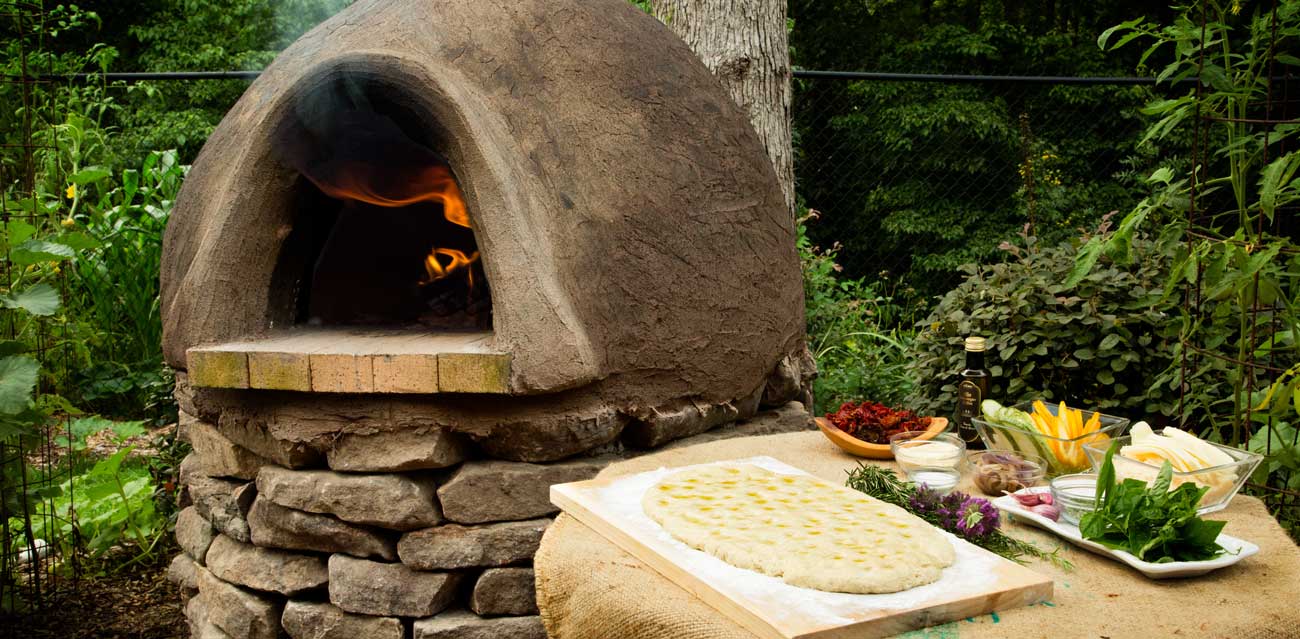
A wood-fired cob oven can turn a quiet corner of the backyard into a place where people gather. It is also a real building project, so understanding the full sequence before starting will save time and frustration. Build a wood-fired cob oven Cob is a mixture of clay-rich soil, sand, and natural fiber. Our complete guide walks through choosing a location, building a stable foundation, adding insulation, shaping the oven, and allowing it to dry. Read the cob oven building guide Plan before you...

A ripe persimmon can taste like fruity caramel. An unripe astringent persimmon can make your mouth feel as though it has turned inside out. The difference starts with knowing which persimmon you have and what fully ripe looks like for that tree. American vs. asian persimmons Wild American persimmons are native to much of the eastern United States. The fruits are small and reach their best flavor when extremely soft. Timing varies by tree, and some lose their astringency before frost while...