We're educators and bloggers focused on the topics of raising pet/backyard ducks, no-dig organic gardening & rare edible plants, foraging, wild recipes, and related topics. Subscribe and join thousands of newsletter readers every week!
Grow shiitake mushrooms on logs at home
 A few hardwood logs can become a small, long-lasting mushroom garden. The process looks technical when written out, but it comes down to drilling holes, adding shiitake plugs, sealing them, and letting the fungus colonize the wood. Grow shiitake on logsStart with recently cut hardwood logs with intact bark. Oak is ideal, although other suitable hardwoods can work. Drill holes in an offset diamond pattern, tap an inoculated plug into each hole, and seal the openings with food-grade wax. Follow the step-by-step shiitake guide Choose the right timingShiitake logs are best inoculated during warm weather, after freezing conditions have passed and at least a couple of months before the first freeze. Do not leave cut logs sitting too long before inoculation because competing fungi can move in. Keep the logs healthyStore inoculated logs off the ground in a shaded, moist location. Water during dry periods and avoid wrapping them in plastic, which can encourage mold. The fungus usually needs 9-12 months to establish before the logs are intentionally soaked to trigger fruiting. Once mature, the logs can produce mushrooms for several years. See the complete growing timeline Harvest and cookAfter fruiting, harvest shiitakes at the size you prefer. Put them gill-side up in the sun for a few hours to significantly boost their vitamin D content. Cook them thoroughly, and try a small portion the first time you eat any new mushroom. Here’s to growing food in unexpected places, Aaron & Susan
Affiliate disclosure: As an Amazon Associate, Tyrant Farms may earn from qualifying purchases made through the product links above, at no additional cost to you. Want to change which Tyrant Farms topics you receive? Update your topic preferences. |
Tyrant Farms
We're educators and bloggers focused on the topics of raising pet/backyard ducks, no-dig organic gardening & rare edible plants, foraging, wild recipes, and related topics. Subscribe and join thousands of newsletter readers every week!

A duck egg is not simply a larger chicken egg. The differences in size, yolk, white, and flavor can affect everything from breakfast to baking. Duck eggs vs. chicken eggs An average duck egg is about half an ounce larger than an average large chicken egg. Duck eggs also tend to have larger yolks and a slightly higher yolk-to-white ratio, which contributes to their richer flavor and texture. See the full duck egg comparison Cooking with duck eggs For omelets, puddings, ice cream, and many...
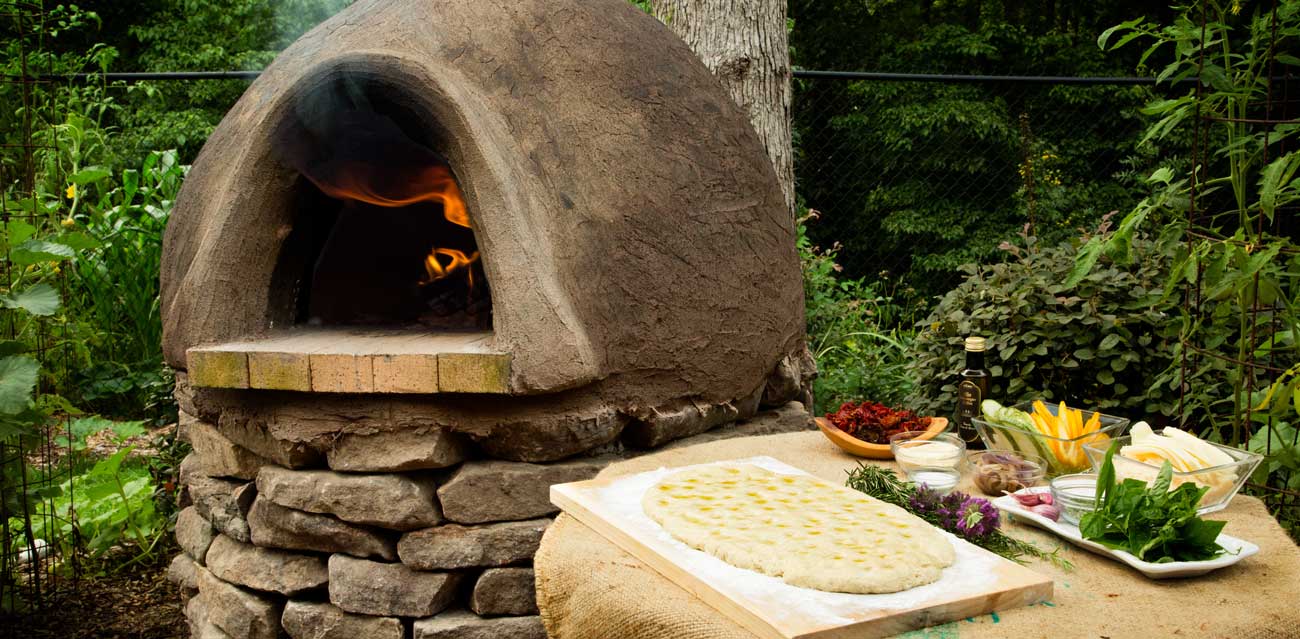
A wood-fired cob oven can turn a quiet corner of the backyard into a place where people gather. It is also a real building project, so understanding the full sequence before starting will save time and frustration. Build a wood-fired cob oven Cob is a mixture of clay-rich soil, sand, and natural fiber. Our complete guide walks through choosing a location, building a stable foundation, adding insulation, shaping the oven, and allowing it to dry. Read the cob oven building guide Plan before you...

A ripe persimmon can taste like fruity caramel. An unripe astringent persimmon can make your mouth feel as though it has turned inside out. The difference starts with knowing which persimmon you have and what fully ripe looks like for that tree. American vs. asian persimmons Wild American persimmons are native to much of the eastern United States. The fruits are small and reach their best flavor when extremely soft. Timing varies by tree, and some lose their astringency before frost while...