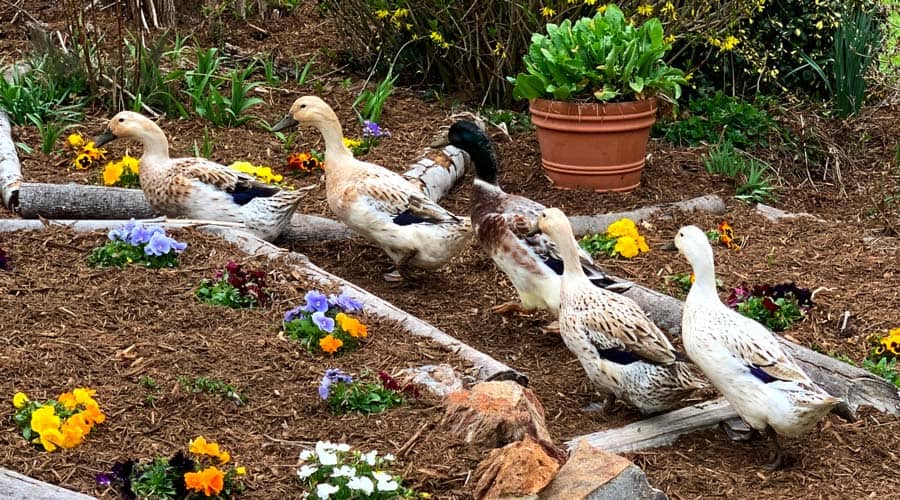
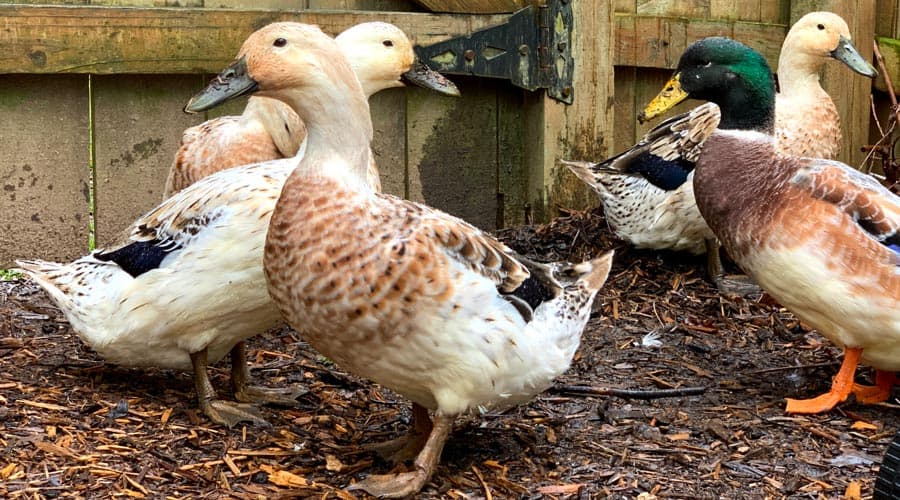
Have you ever watched a duck suddenly tilt her head toward the sky and wondered what she sees that you do not? Quite a lot, as it turns out. Nine amazing duck eyesight facts Ducks have a 360-degree horizontal field of vision and can see distant objects more clearly than humans. They can focus underwater, detect subtle motion, perceive ultraviolet light, and protect their eyes with a translucent third eyelid. Their side-set eyes trade some depth perception for a much wider view—useful when you...
7 days ago • 1 min read
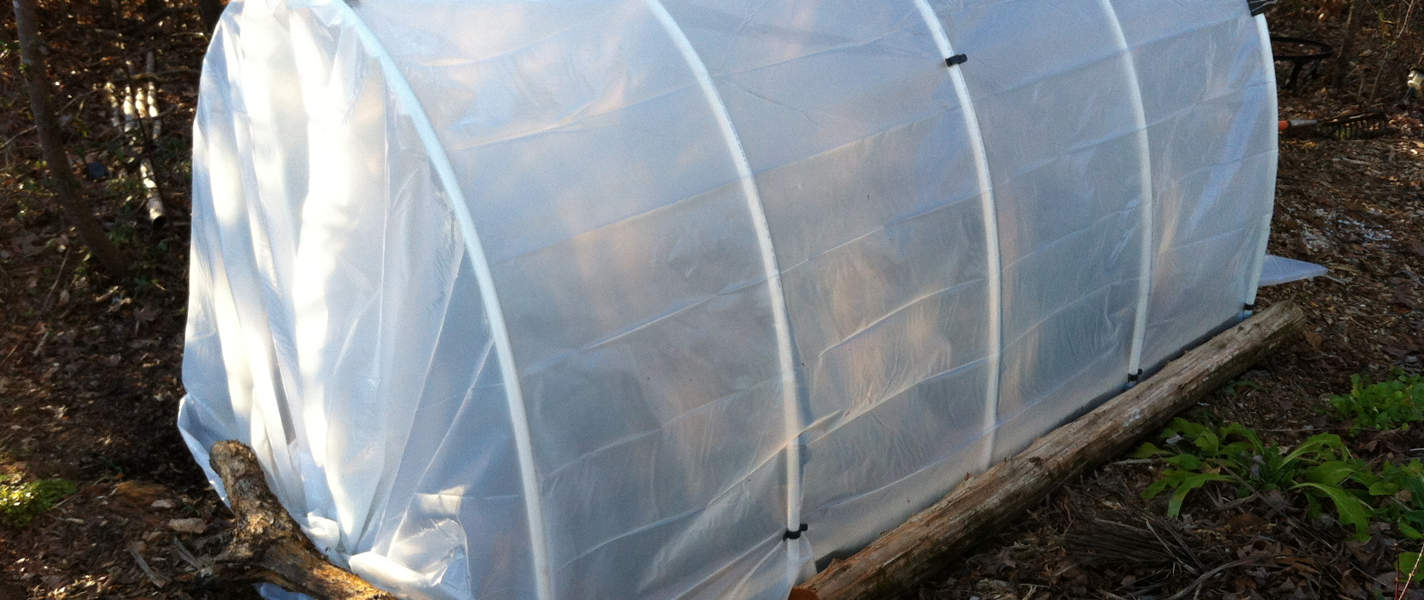
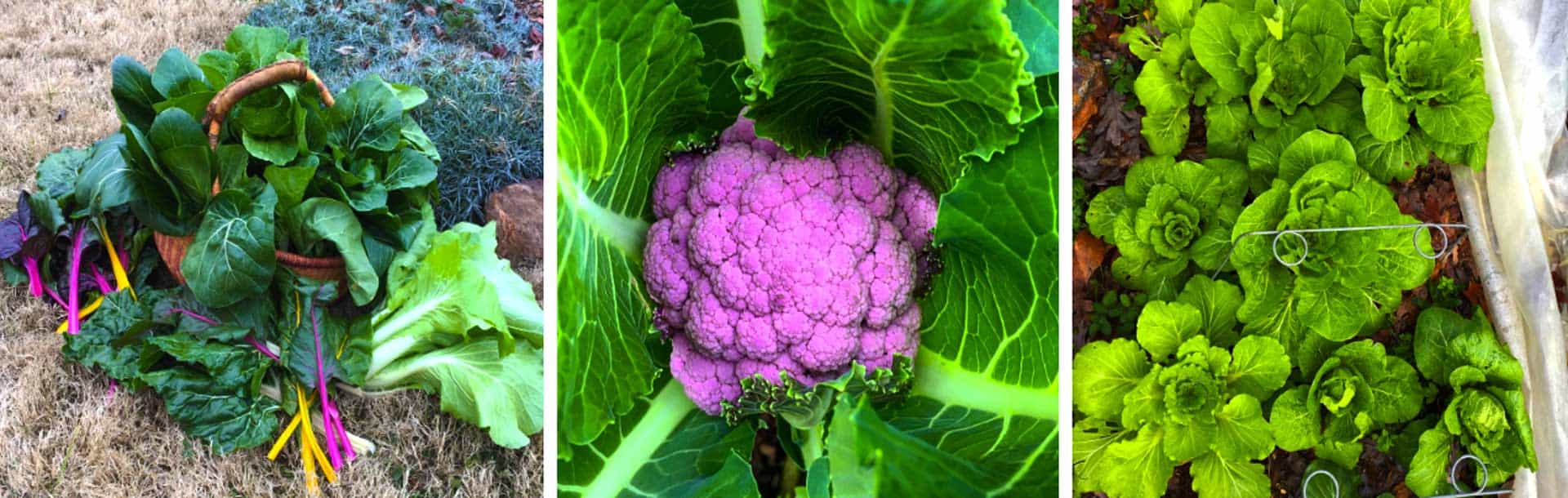
By mid-September, some summer plants are still producing while others are clearly finished. That in-between stage is the perfect time to decide what stays, what goes, and where the next round of food will grow. Five ways to grow a fall and winter garden You do not need a large traditional garden. Our guide compares five practical approaches—from in-ground beds to containers and protected growing spaces—so you can match the method to your climate, property, and available time. Choose your fall...
10 days ago • 1 min read
The vibrant pink-purple clusters of berries make American beautyberry hard to miss. They also make it easy to mistake for a non-native look-alike that doesn't have the same culinary potential. Before picking, learn the plant. American beautyberry (Callicarpa americana) is a native Southeastern shrub whose tight berry clusters sit directly against the branch. Similar Asian beautyberries form looser clusters on visible little stems called peduncles. Identify, grow, harvest, and use American...
14 days ago • 1 min read
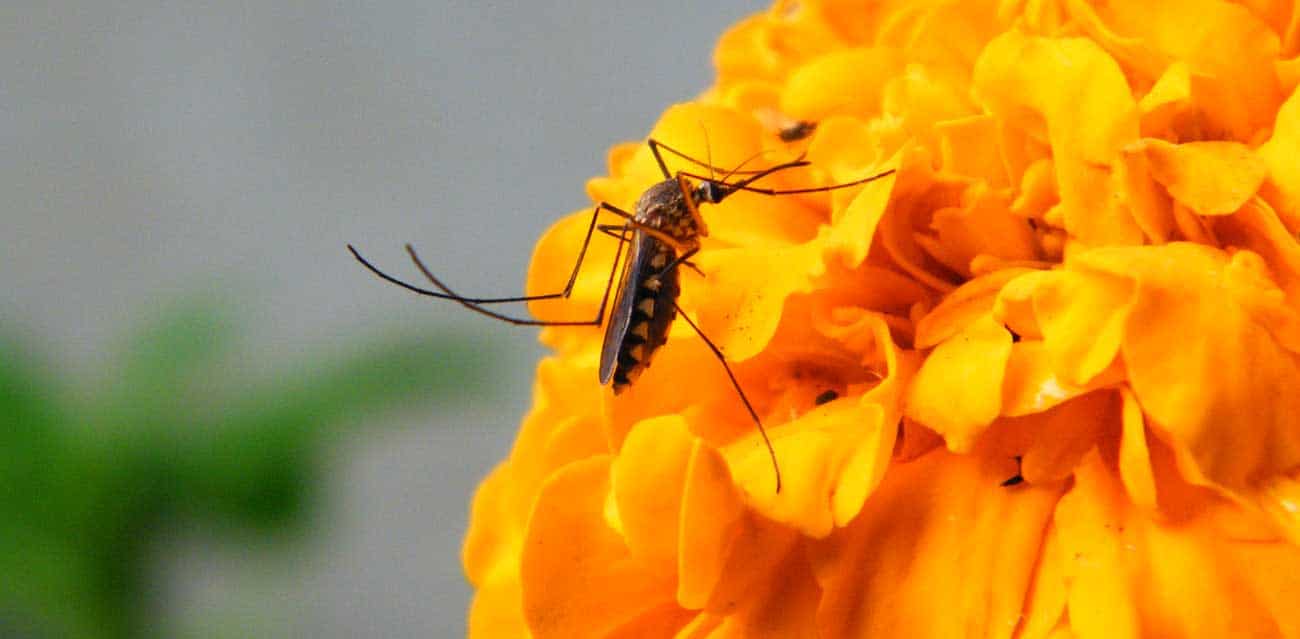
Mosquitoes do not disappear just because the calendar says September—especially in warm, humid regions. The good news is that you can make a meaningful dent in their numbers without blanket-spraying your yard and harming the insects and wildlife that help keep the ecosystem in balance. How to control mosquitoes more safely The first step is to remove breeding sites. Empty standing water from saucers, buckets, clogged gutters, and other containers, or refresh water features every few days. For...
17 days ago • 1 min read
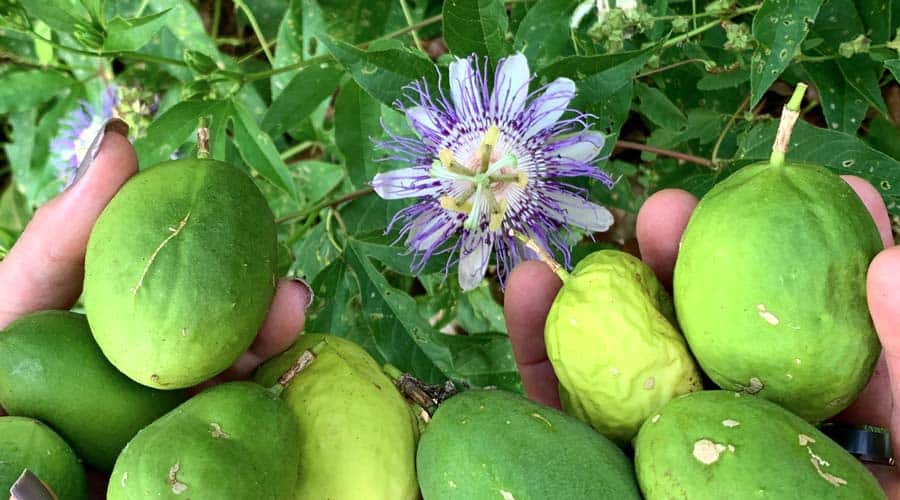
Meet the native passion fruit growing near you. Maypop can appear in fields, gardens, and sunny field edges—and it produces some of the most beautiful, elaborate flowers in the plant world. Its fruit is delicious when ripe, but positive identification and timing matter. Find, identify, harvest, grow, and eat maypop Our guide introduces Passiflora incarnata: its distinctive flowers, climbing habit, native range, and fruit. It explains how to recognize ripe maypops and how to use the pulp and...
21 days ago • 1 min read
Roselle hibiscus doesn’t look like a typical fruit crop. After each flower fades, the plant begins building a crisp, tart calyx around its seed pod. That calyx is the part used for ruby-red tea, relish, desserts, pickles, and more. How to harvest edible hibiscus This guide is specifically about Hibiscus sabdariffa, the roselle species grown for edible leaves, flowers, and fleshy calyxes. After a flower drops, we usually give the calyx another 3–7 days to develop. Young calyxes may snap off by...
24 days ago • 1 min read
Two tropical-looking late-summer harvests Roselle and native passion fruit look exotic, but both can thrive in our region. Here’s how to tell when each crop is ready—and what to make with the harvest. Harvest and use roselle hibiscus After each flower fades, roselle forms a crisp, tart calyx around its seed pod. We usually give the calyx another 3–7 days to develop; young ones may snap off by hand, while fully developed calyxes usually need clippers. Read the edible hibiscus guide Find,...
24 days ago • 1 min read
Ducks are remarkably talented at making a mess. A well-designed setup will not make ducks tidy—but it can make the daily muck easier to manage while protecting their feet and respiratory health. The best bedding we’ve found for duck coops After testing leaves, straw, cedar, aspen, pine needles, hemp, and other options, we’ve found that screened, low-dust, large-flake pine shavings are the best bedding for our duck coop. They’re economical, gentle on duck flippers, hide odors, and work well...
28 days ago • 1 min read
Seeing a monarch caterpillar can make anyone want to help. Before bringing one indoors, it is worth pausing: the most useful thing most of us can do for monarchs is create safe outdoor habitat. Captive raising can be meaningful as a small, hands-on learning experience, but it is not automatically a conservation win. A careful guide to raising monarch caterpillars Our in-depth guide walks through the entire process, from finding eggs and caterpillars on unsprayed milkweed to preparing an...
about 1 month ago • 1 min read